

We are here to guide you!
Raise your enquiry and get a callback.
We are here to guide you!
Raise your enquiry and get a callback.
A structured Optional Subject Program with classes, PYQ analysis, answer writing, tests, mentorship, and evaluation for clear, disciplined preparation.
Fill the form & we’ll get back to you
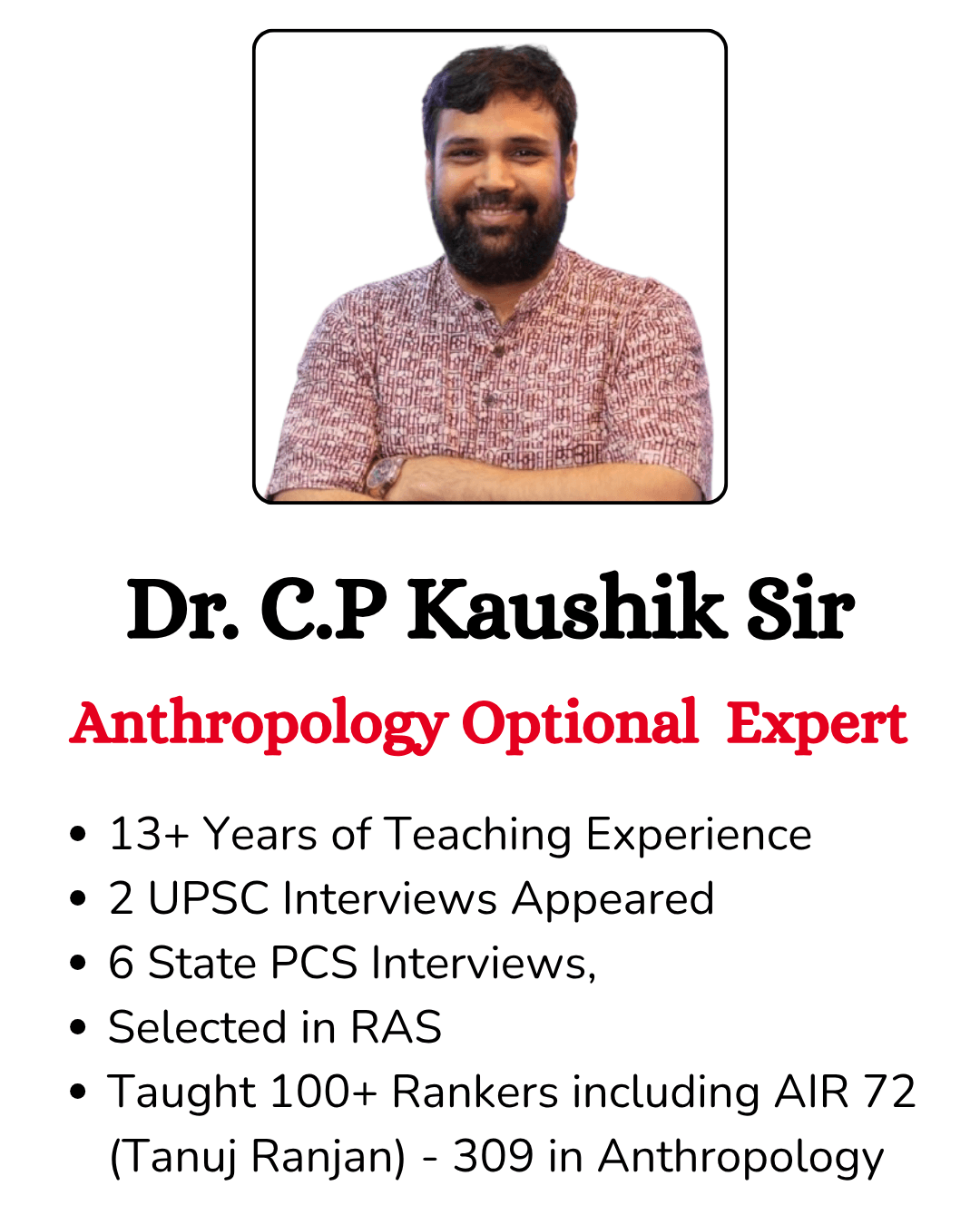
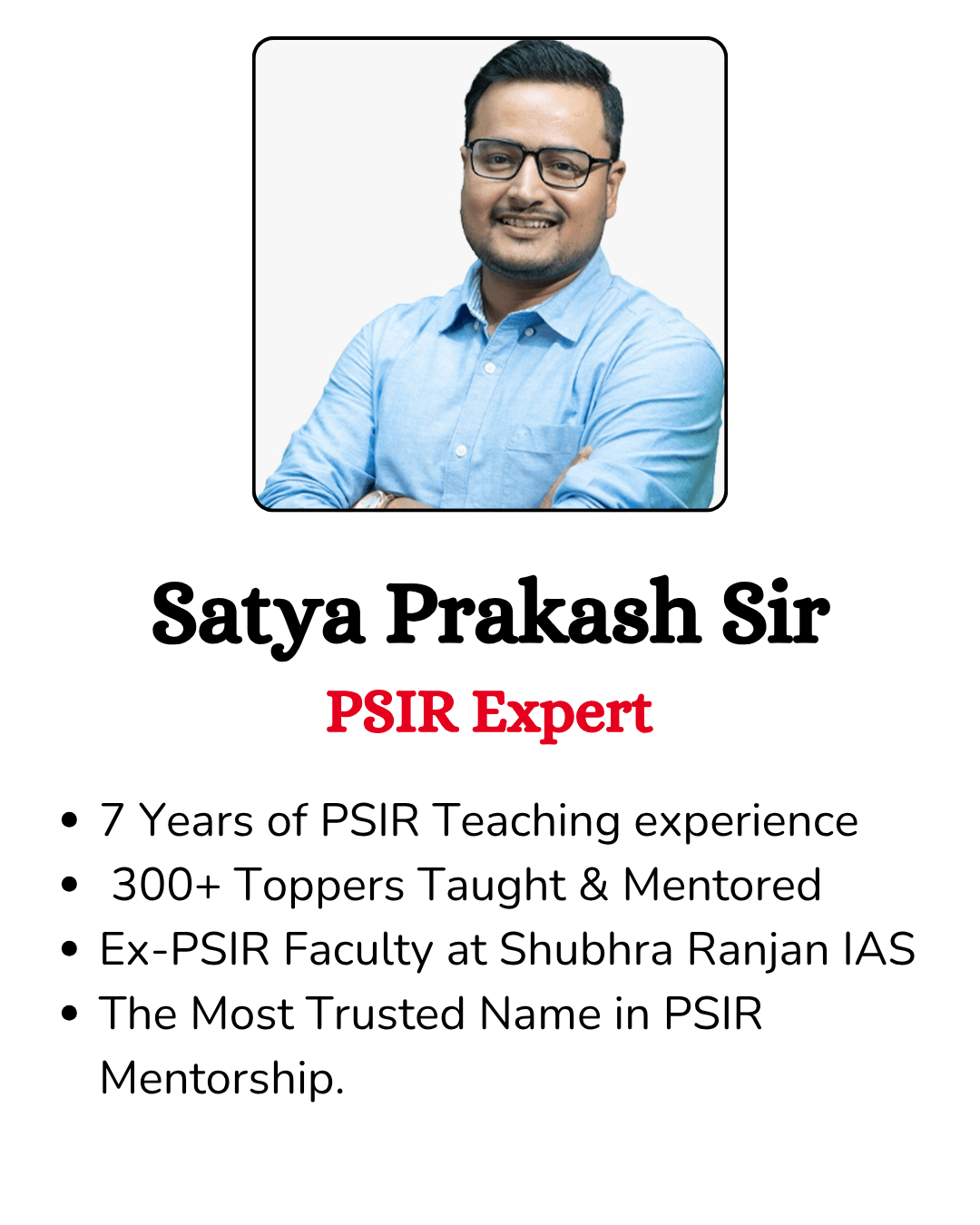
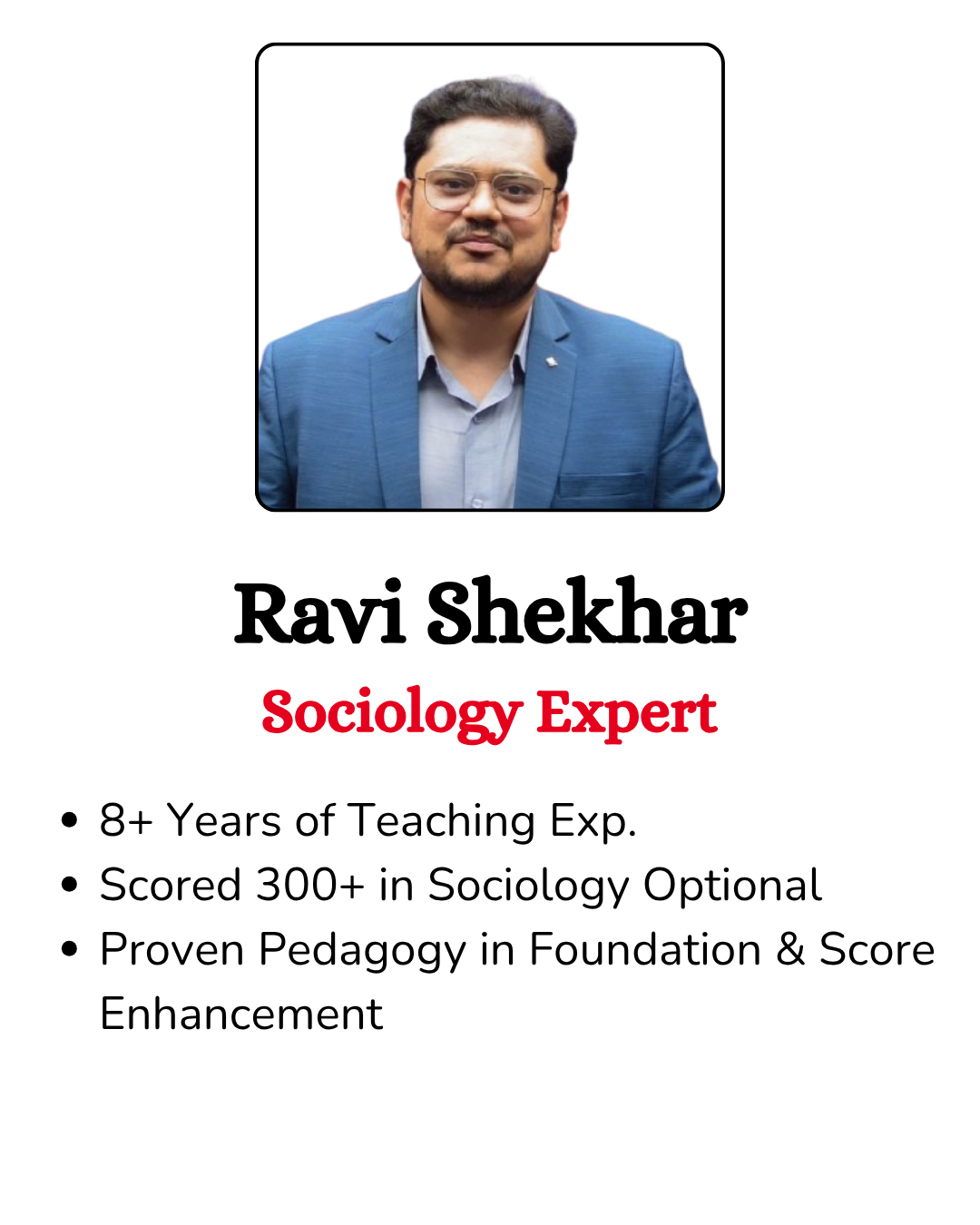
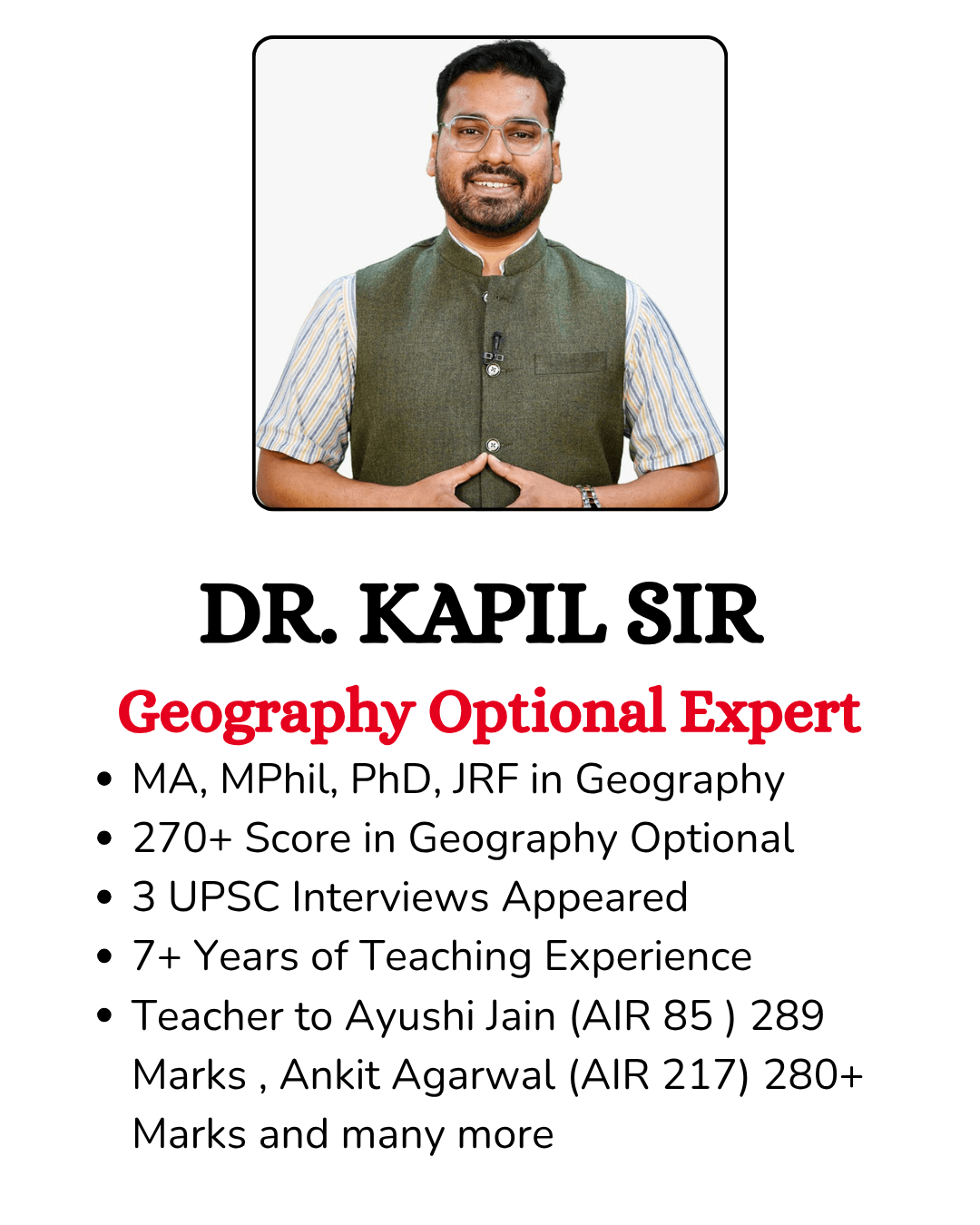
We are here to guide you!
Raise your enquiry and get a callback.
Every topic is explained from basic to advanced level.
Preparation remains aligned with the UPSC optional syllabus.
Previous year questions are discussed topic-wise.
Students are trained to write analytical, structured, and score-oriented answers.
Regular feedback helps students improve content, structure, and presentation.
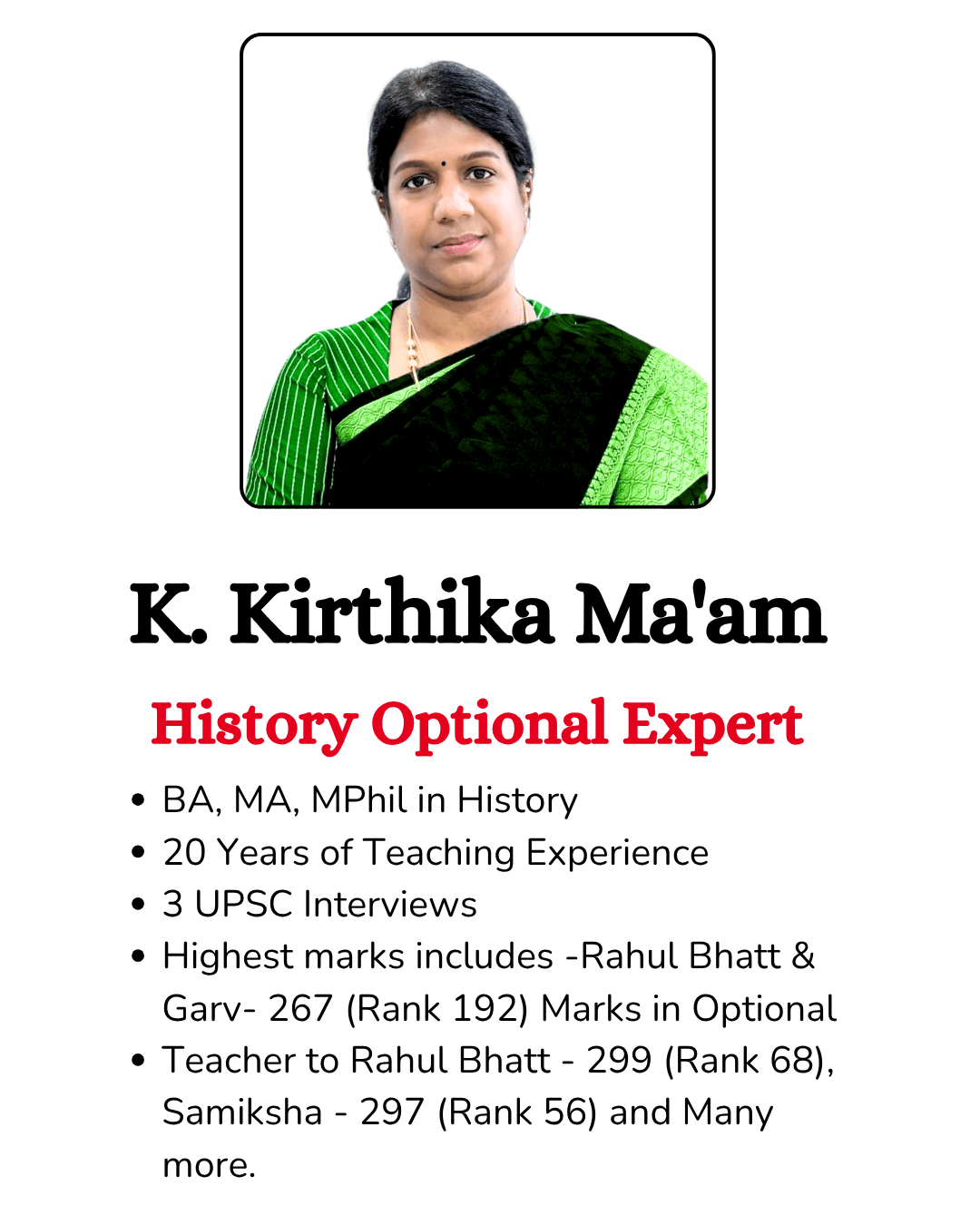
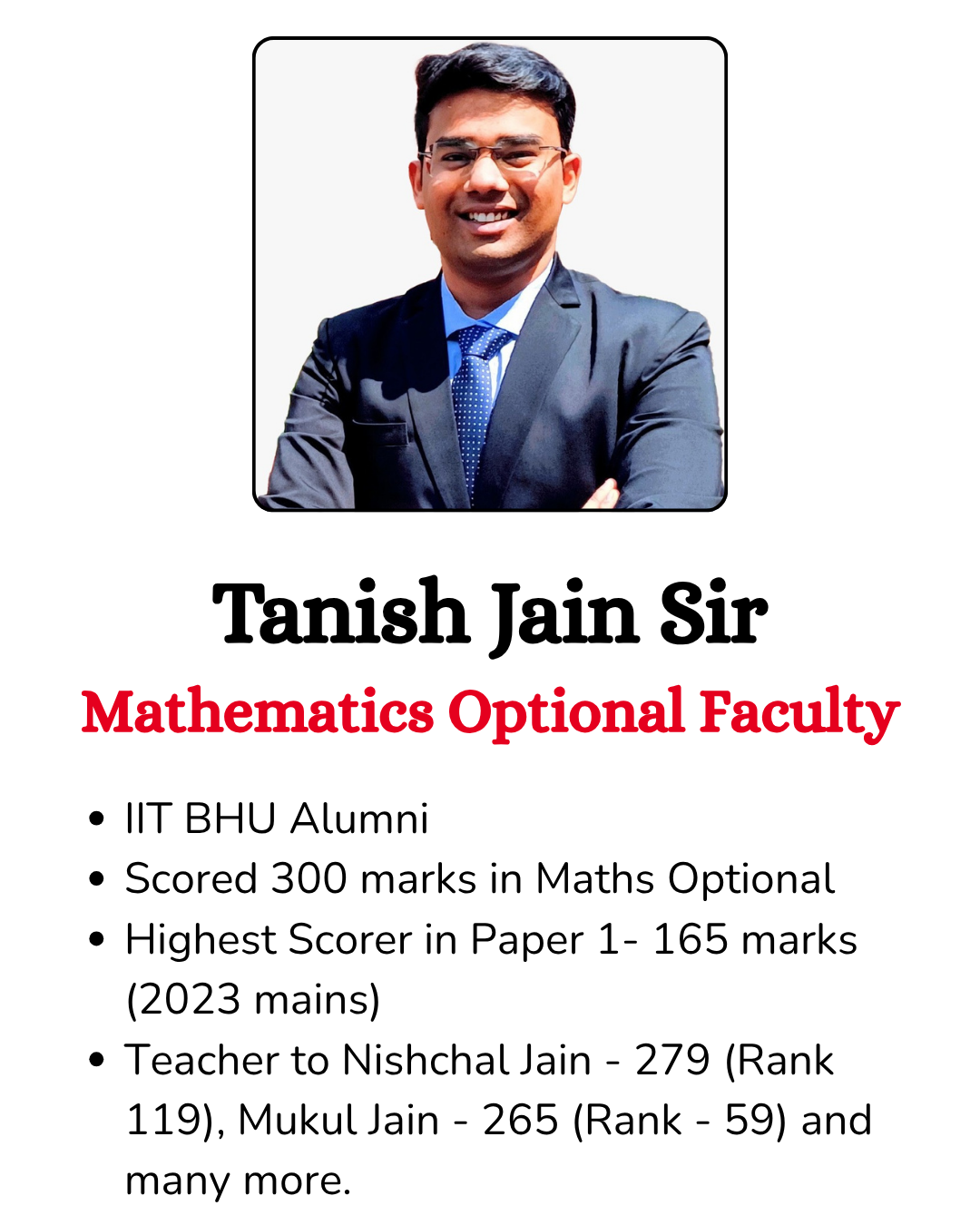
Learn directly from experienced educators and successful UPSC toppers together.
✅ How to choose the right optional subject for UPSC?
✅ Factors that actually matter (and those that don’t)
✅ Common mistakes aspirants make while choosing optional
✅ Should you choose optional based on scoring trends?
✅ Role of interest vs syllabus vs guidance
✅ Overlap with GS and its importance
✅ Time investment and answer writing considerations
✅ When should you finalize your optional?
We are here to guide you!
Raise your enquiy and get a callback.
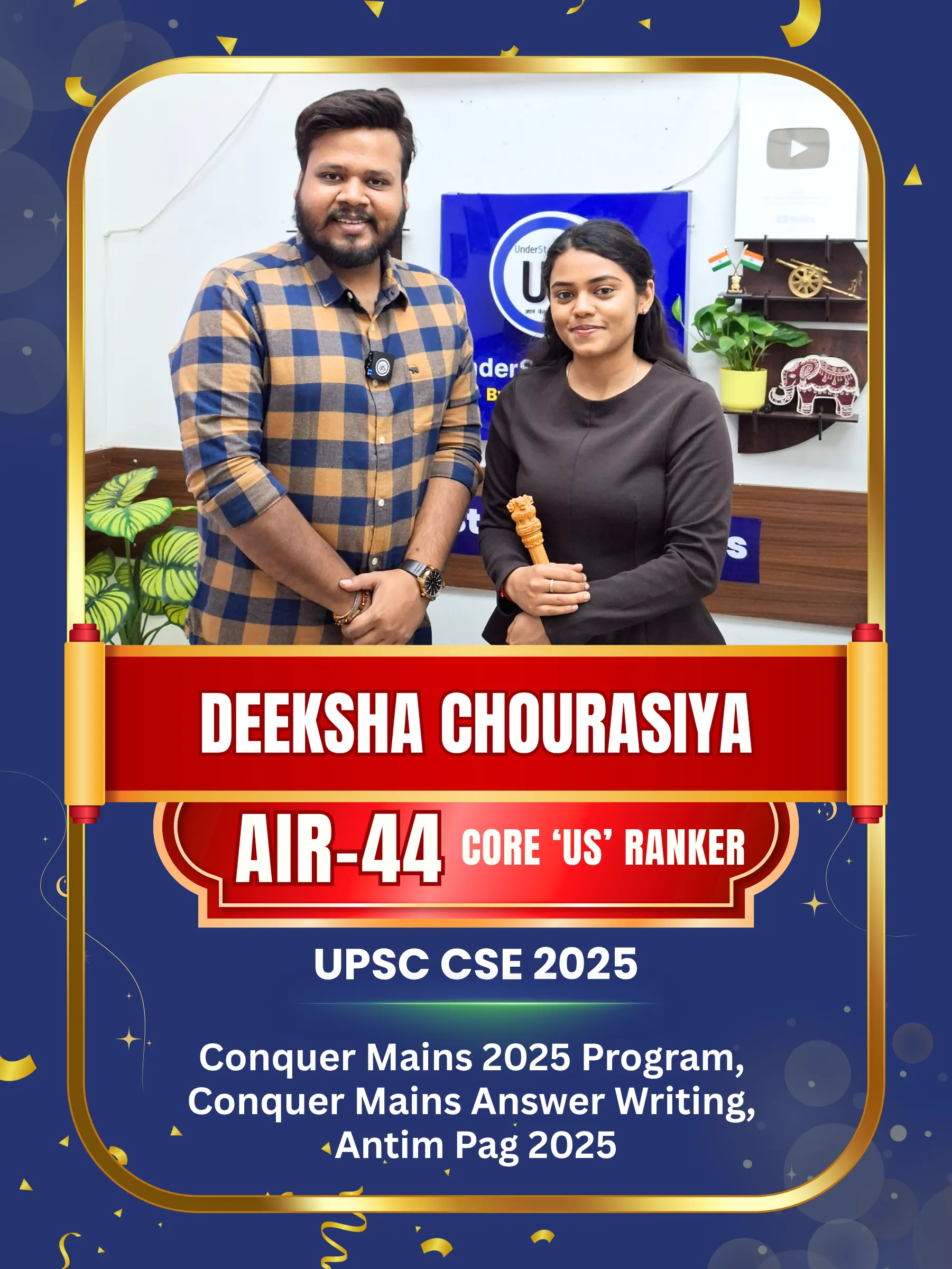
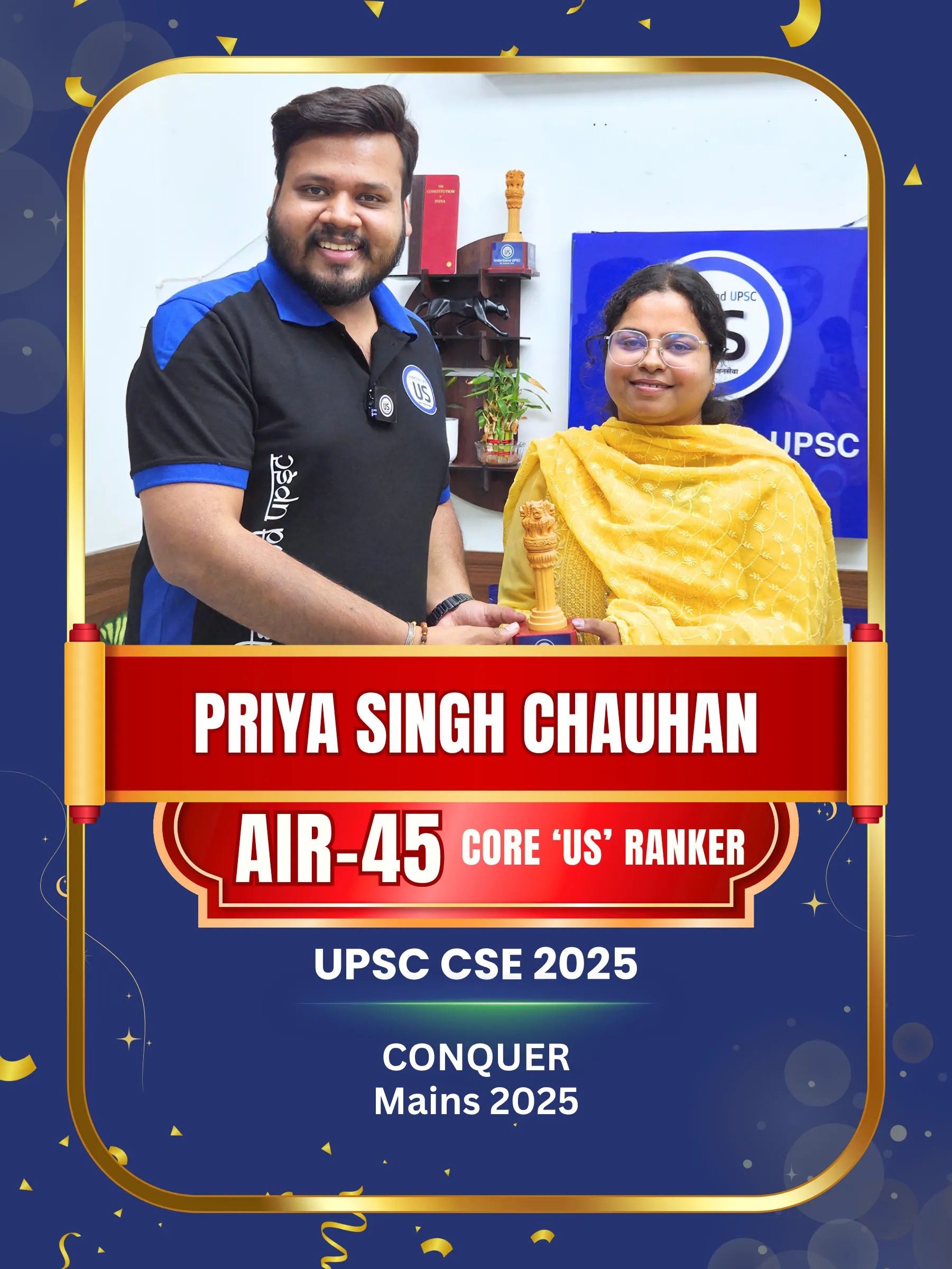
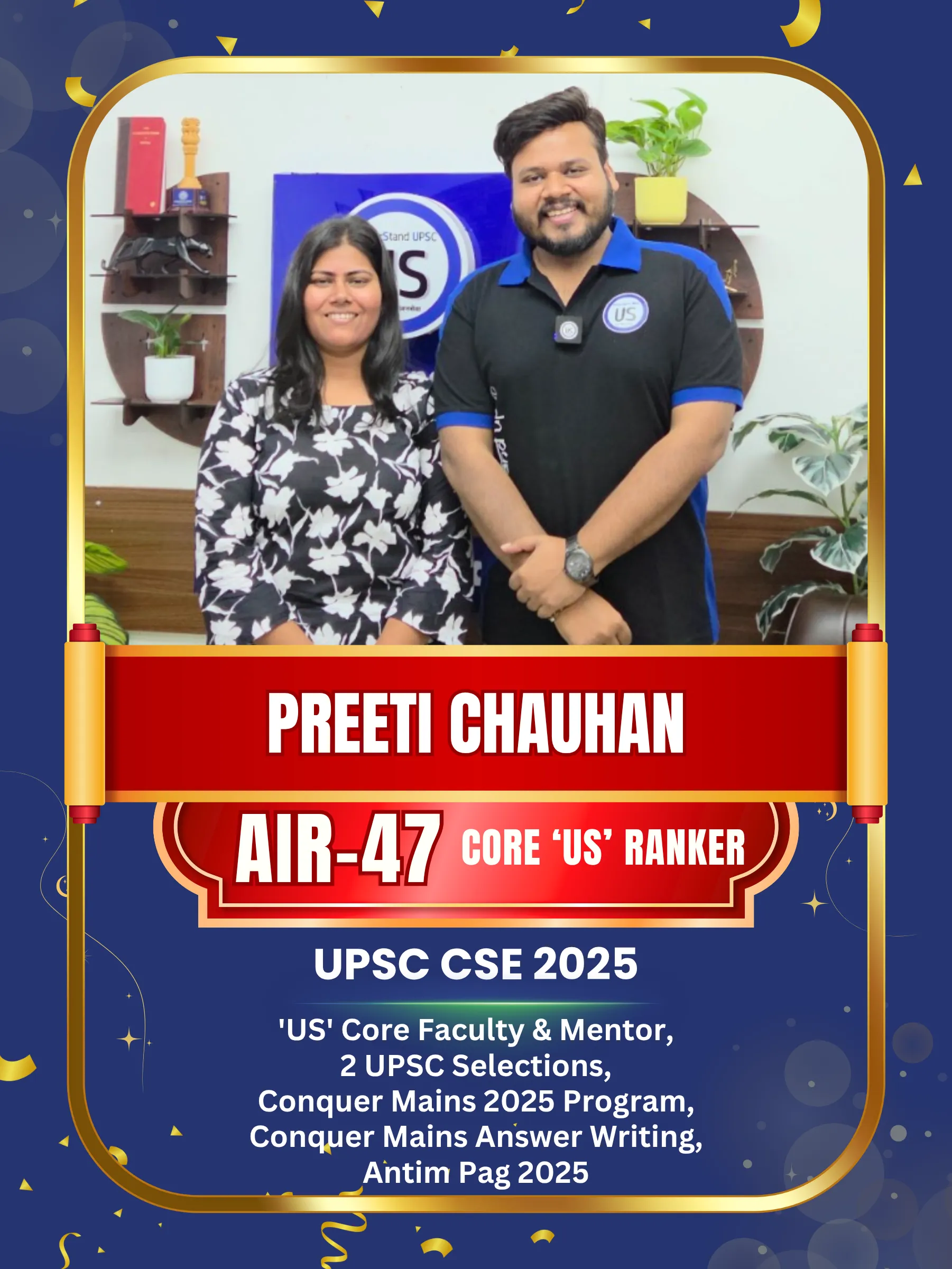
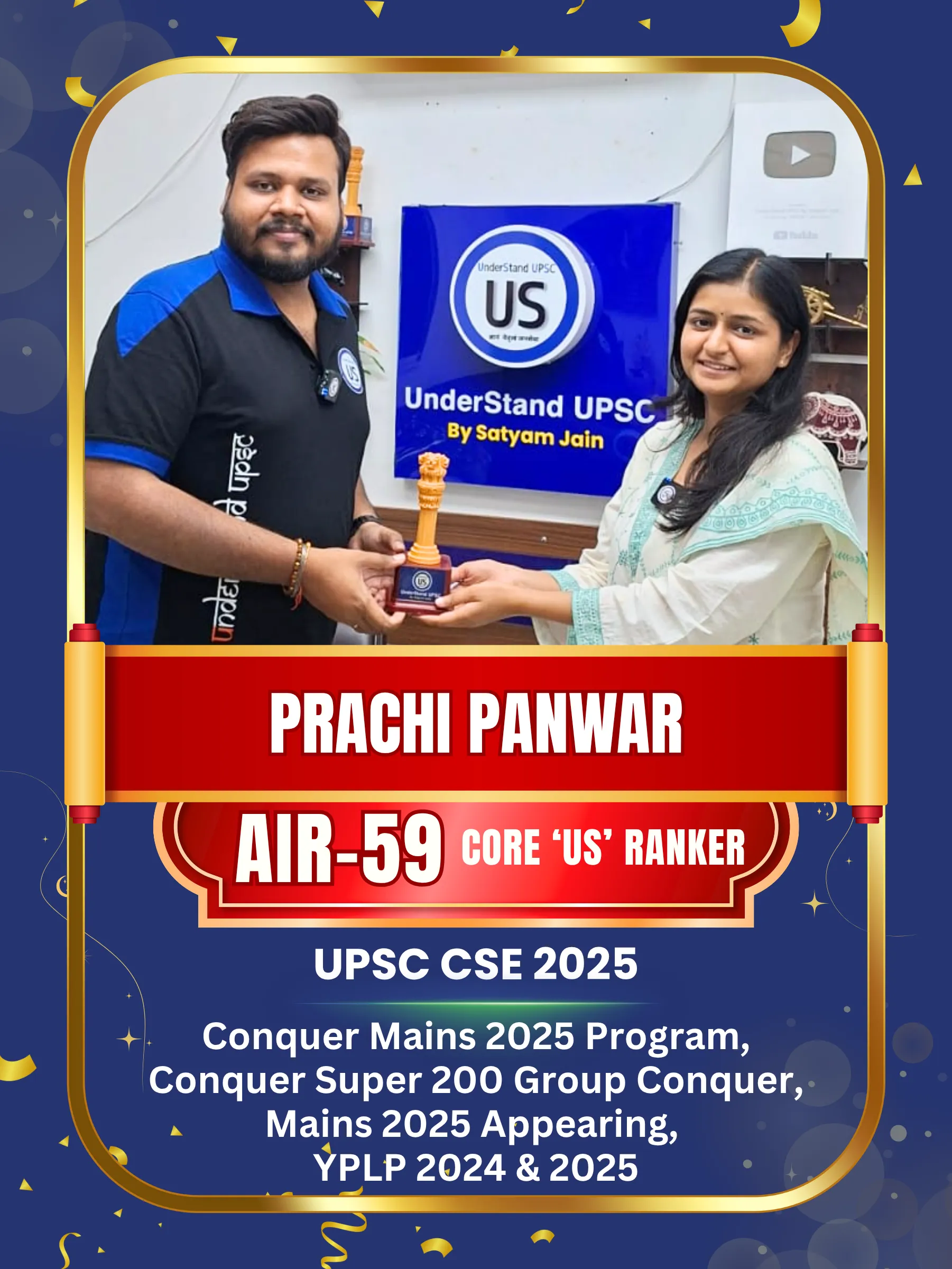
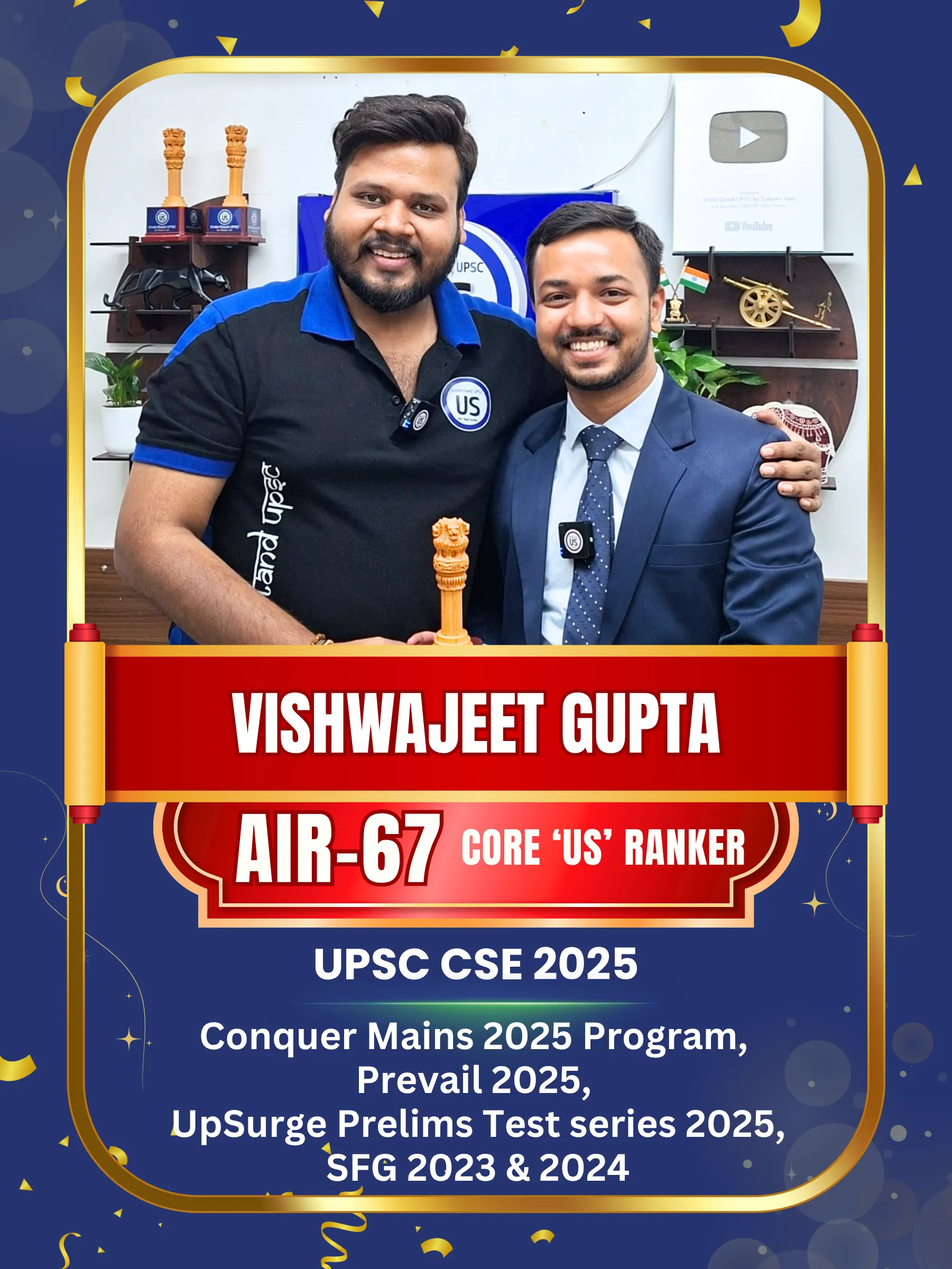
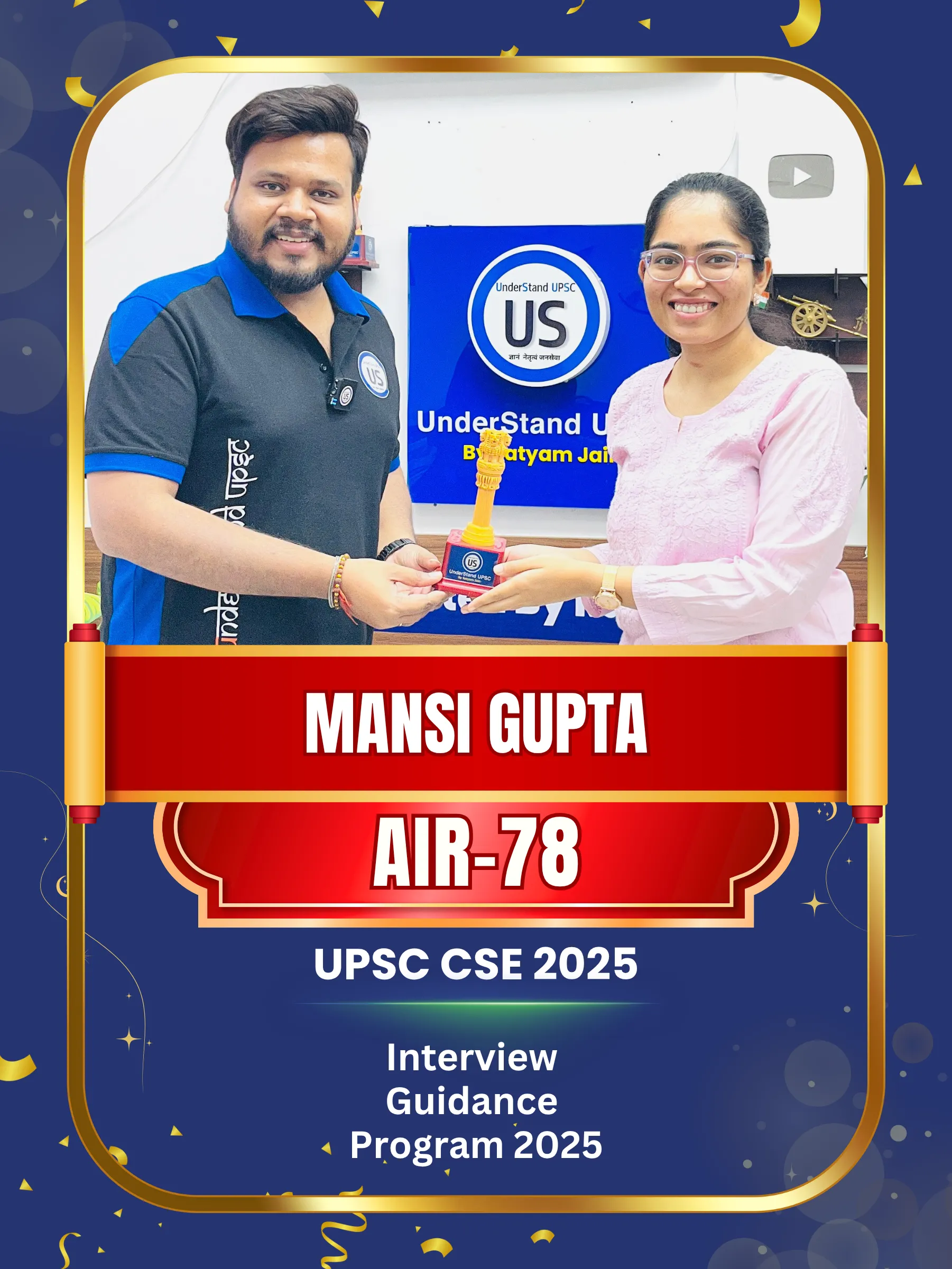
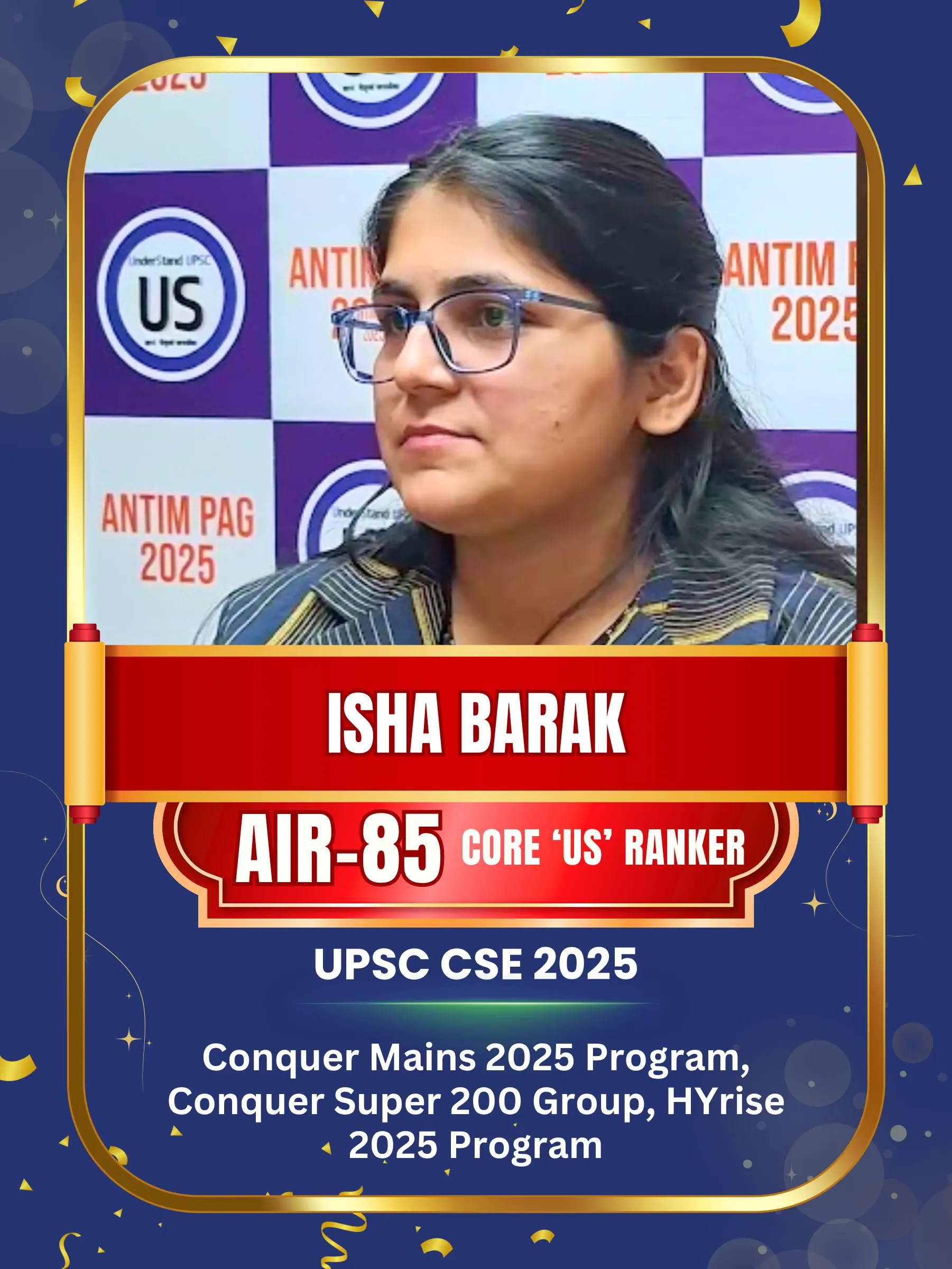
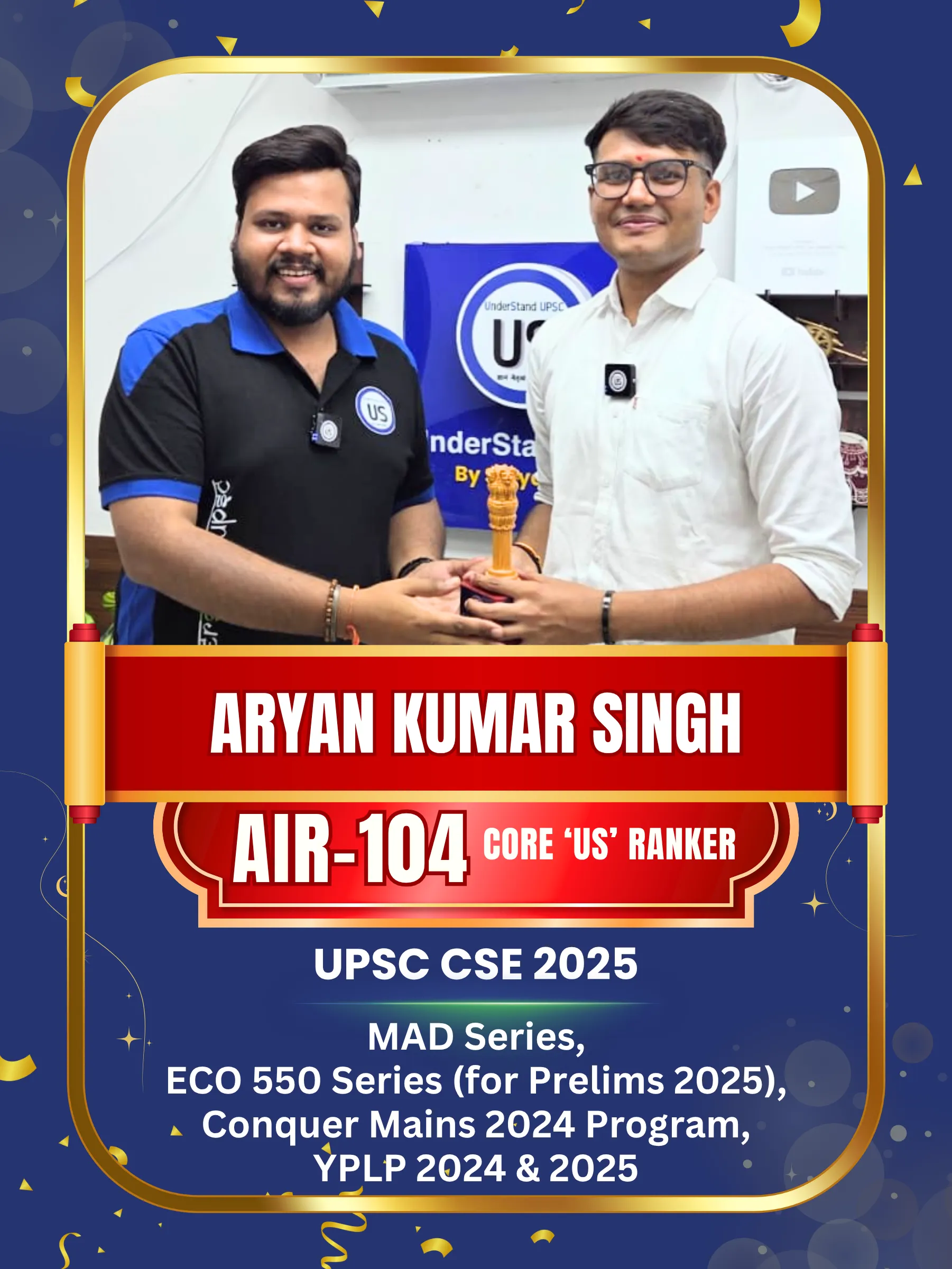
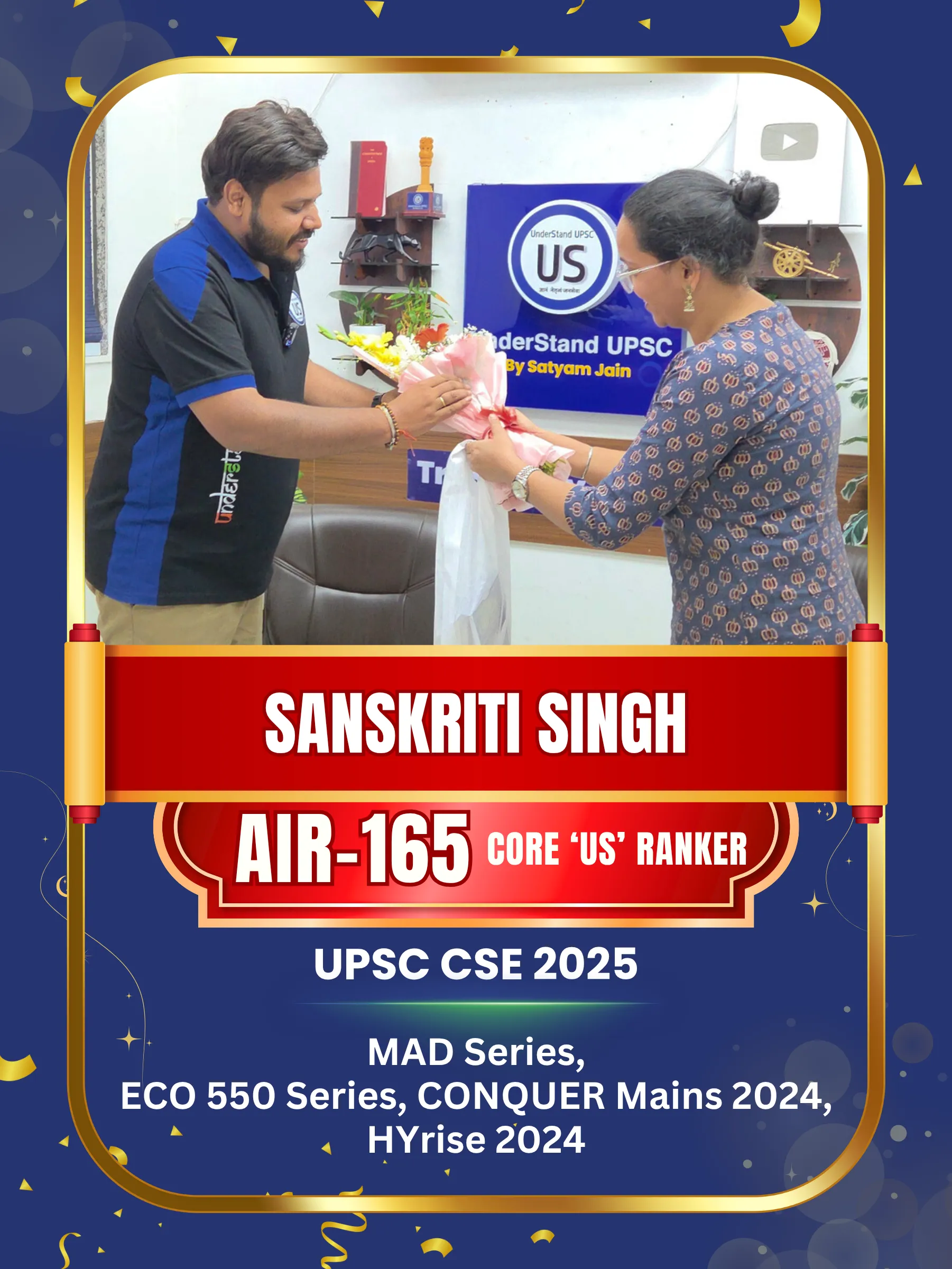
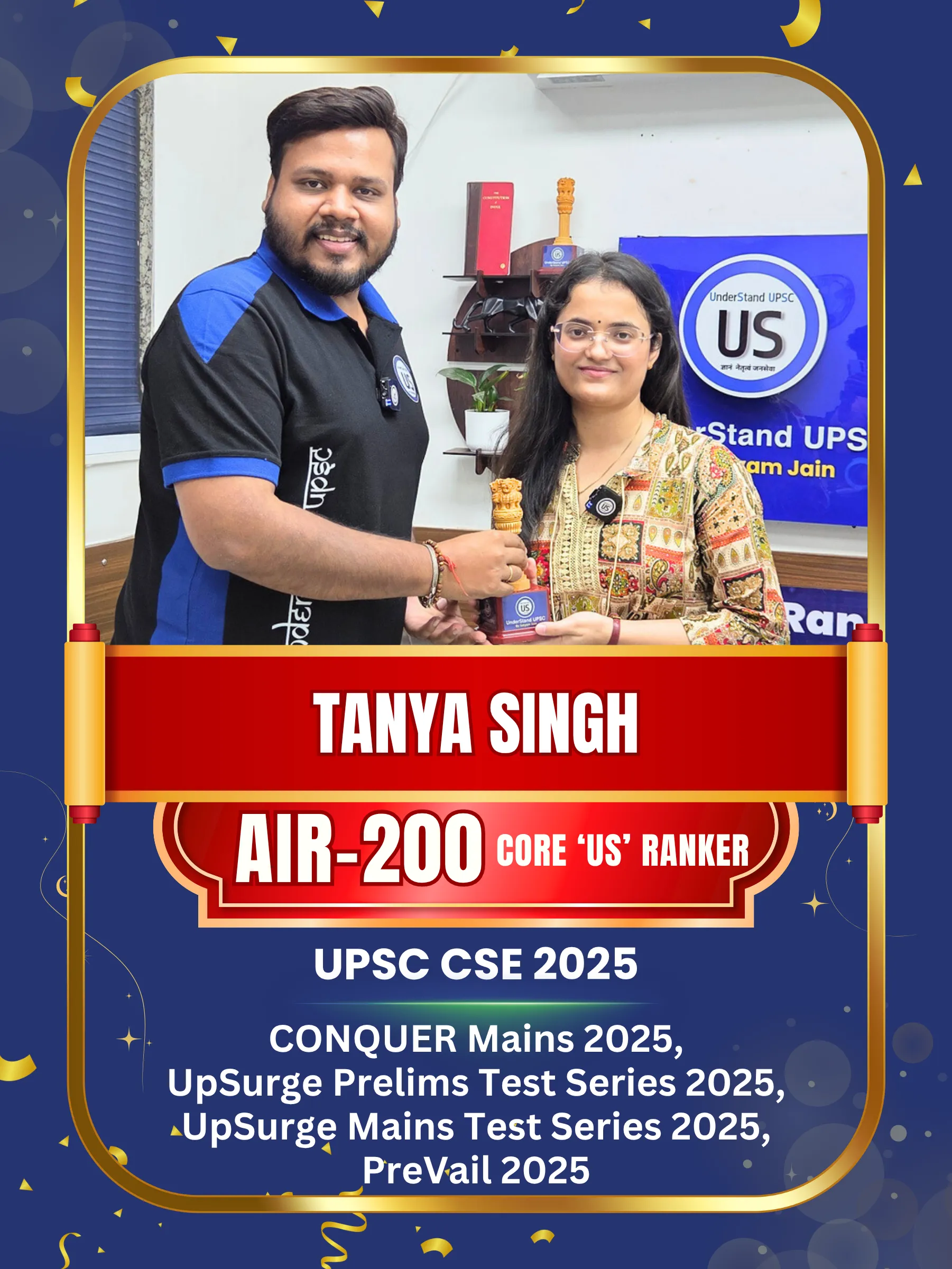
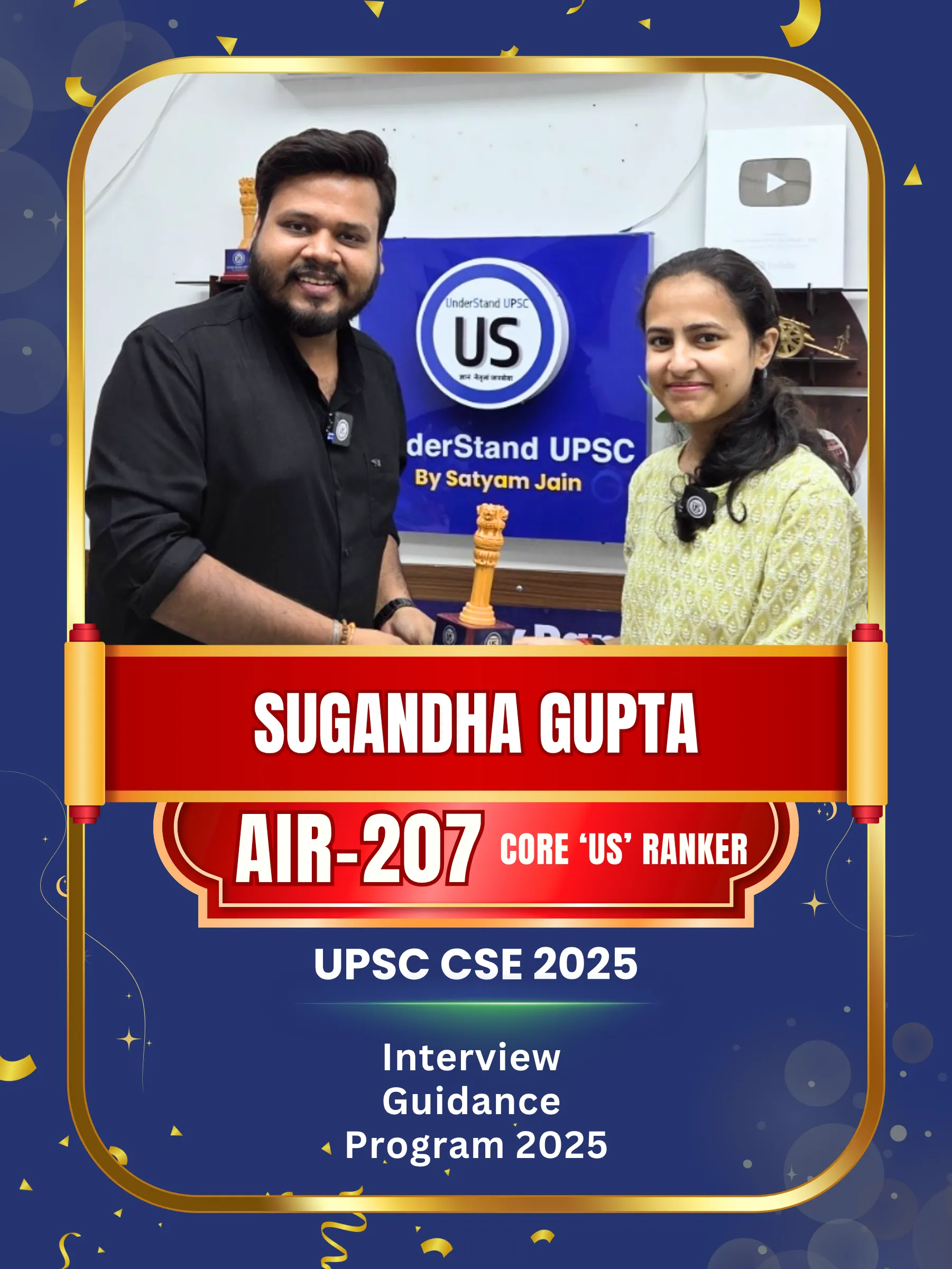
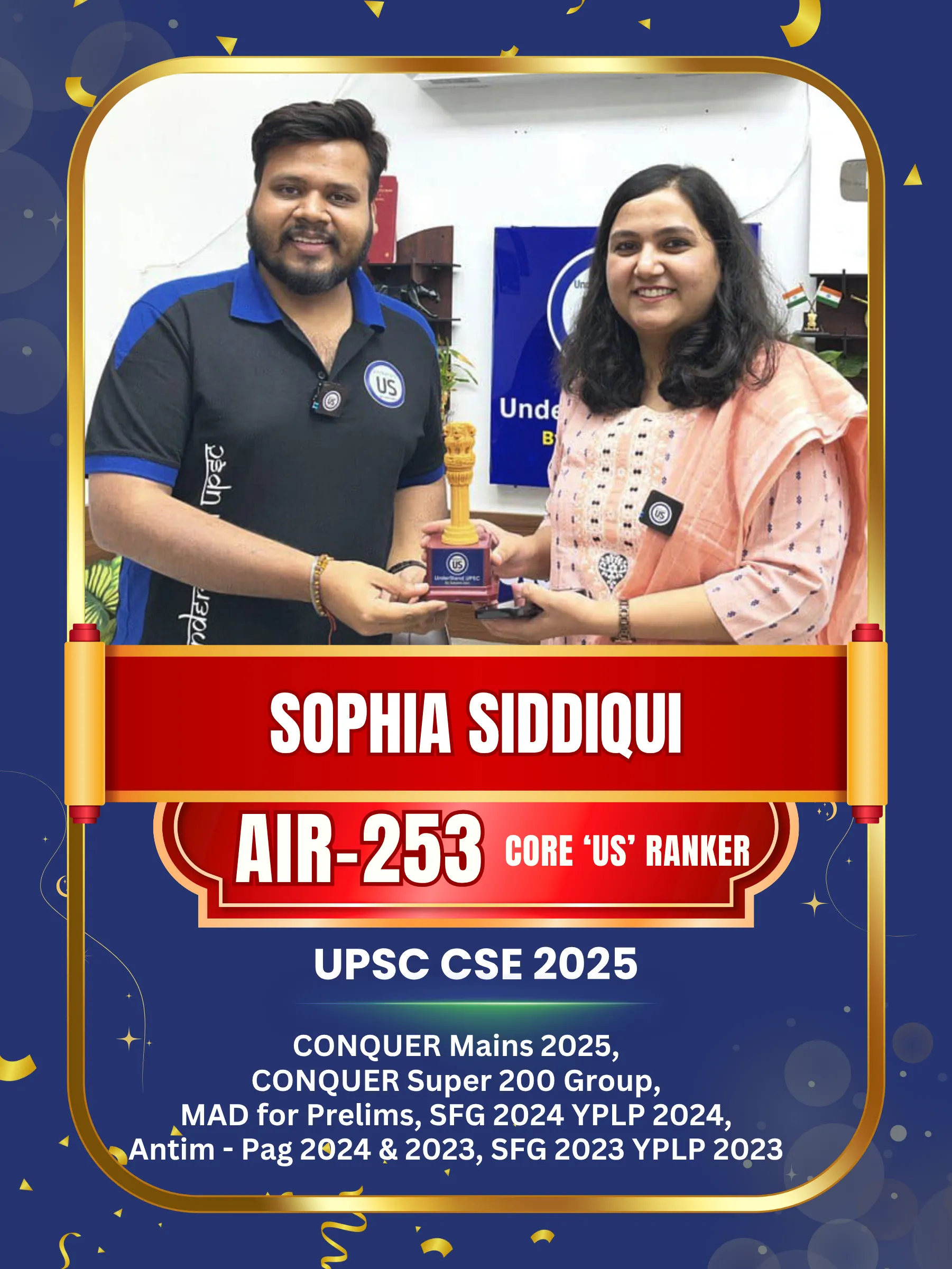
We are here to guide you!
Raise your enquiry and get a callback.
Haven’t found an answer? Call us at +91 8377072252
The optional subject carries 500 marks in UPSC Mains, divided into Paper 1 and Paper 2 of 250 marks each. A good score in optional can significantly improve your final rank, while a poor optional score can reduce your chances even if your GS papers are decent.
Choose your optional based on interest, syllabus comfort, availability of guidance, previous year questions, study material, and answer-writing suitability. Do not choose an optional only because it is popular or because a topper selected it.
GS overlap can be helpful, but it should not be the only deciding factor. Subjects like PSIR, Sociology, Geography, History, and Public Administration have some GS overlap, but you should choose only if you can understand the subject deeply and write good answers.
There is no permanently “most scoring” optional. Every year, candidates score well in different subjects. Scoring depends more on conceptual clarity, answer writing, PYQ understanding, revision, and test practice than on the subject alone.
Yes. Many aspirants choose optional subjects different from their graduation background and still score well. However, you should first check the syllabus, basic books, PYQs, and your ability to develop command over the subject.
You should start optional preparation as early as possible, preferably during the foundation stage itself. Optional needs time for concept building, syllabus completion, revision, answer writing, PYQ practice, and test series, so delaying it can create pressure before Mains.
We are here to guide you!
Raise your enquiry and get a callback.